ServicesWindows & Lighting
Permanent Lighting Around Windows in Rotterdam
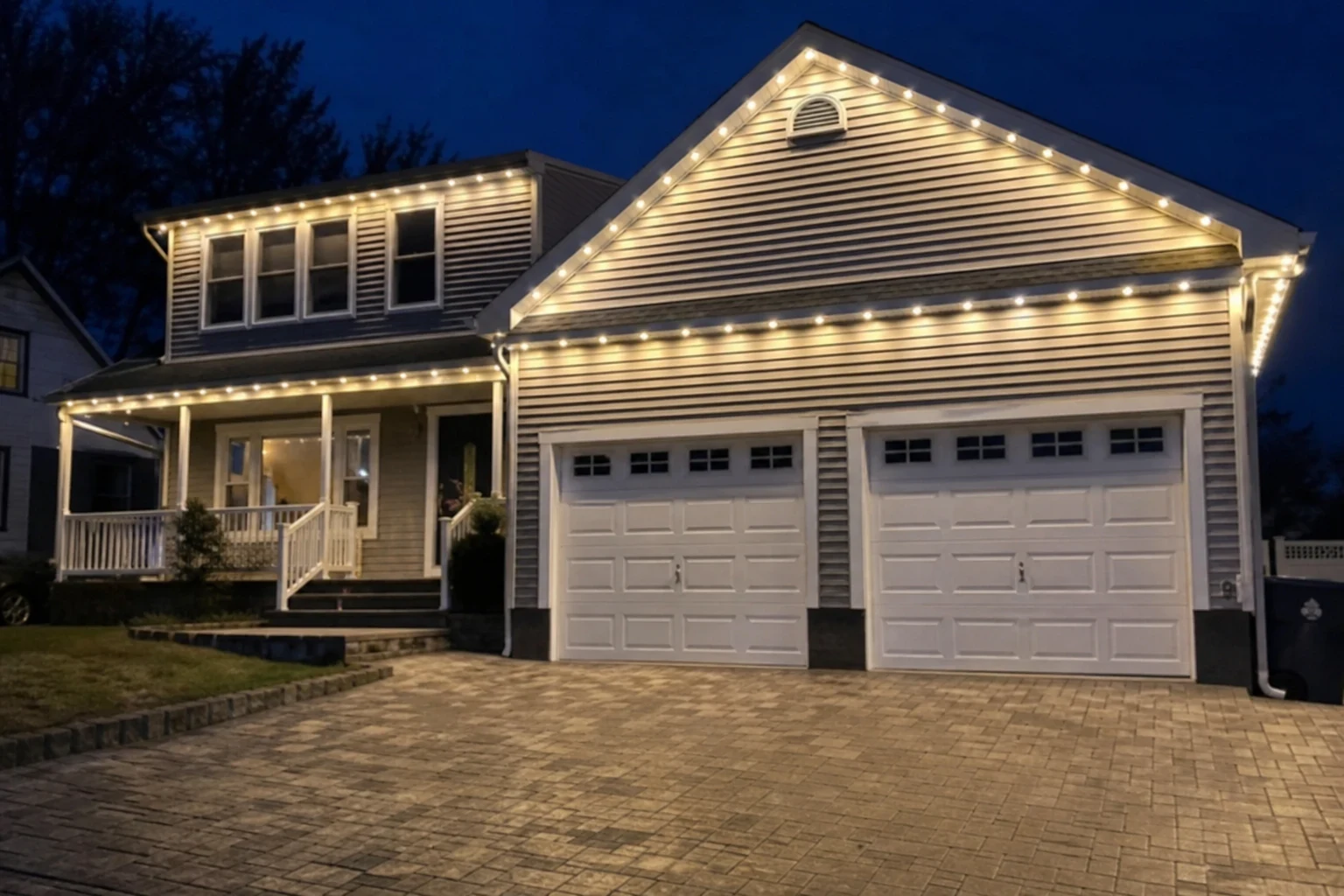
Lights on a home exterior should frame the windows, not shine through them. We start by walking your house, noting every window, gable and soffit run, then show you where the light will land before we mount anything. You get curb appeal outside and dark, quiet rooms inside.
Why windows change a lighting plan
Most homes have windows tucked right under the roofline: bedrooms on a second floor, dormers, a picture window by the front door. Permanent lighting mounted along that edge sits close to the glass, so where each light points matters as much as the color you pick.
Before we recommend anything, we look at each window from inside and out. We check the height of the header, the depth of the soffit and the condition of the fascia above it, then tell you plainly what will work. If a run would throw light into a bedroom, we say so and offer another route or a dimmer scene for that side.
What our window-aware installs include
A window-by-window walk-through
We mark which rooms sit behind each window and how close the roofline is to the glass. You get a simple list of what we found, with photos of any trim that needs attention first.
Light angled away from the glass
Track mounts under the soffit or along the fascia face so the lights aim out and down. That keeps glare off the panes and out of the rooms.
Separate zones for quiet sides
Bedroom and nursery sides can run on their own zone in the app-controlled system. Dim them, turn them off at a set time or leave them warm white while the front plays a holiday pattern.
Tidy wiring routes
Wire runs follow trim lines and corners instead of crossing window casings. Nothing is drilled through a window frame.
Care for screens and sills
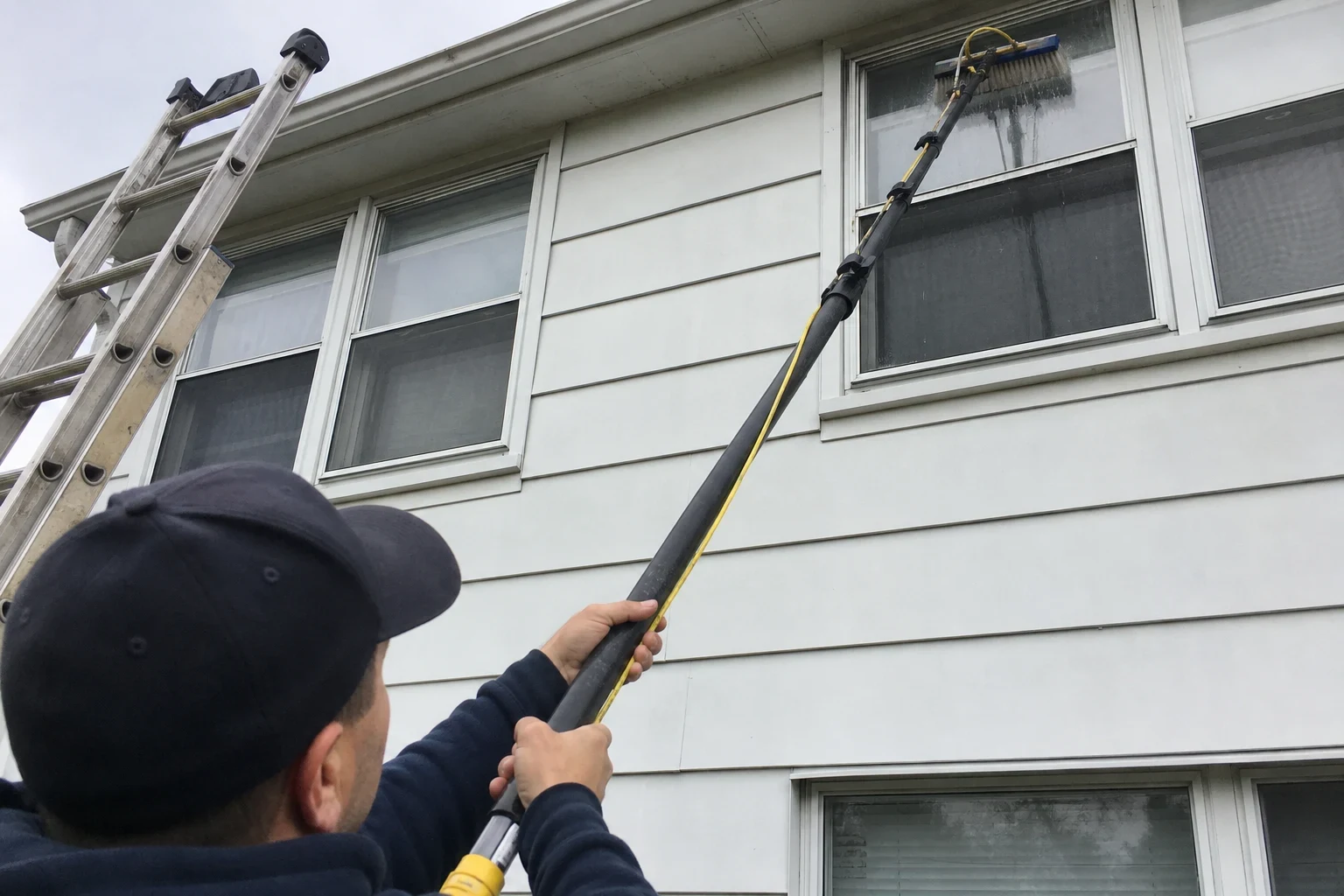
Ladders are placed clear of screens, storm windows and shutters. We check sills and the ground below for any debris before we leave.
Signs your windows need a better lighting plan
- Light spills into bedrooms
- If current string lights or floods keep someone awake, the fixtures are aimed or placed wrong. A permanent track under the eave can solve that.
- Reflections wash out the look
- Lights mounted at the wrong height bounce off glass and make the front of the house look blotchy from the street.
- Seasonal clips on window trim
- Plastic clips pushed into casings or shutters every fall can crack paint and loosen trim over a few winters.
- Dormers left dark
- Many plans skip dormers and small gables because they are awkward. The roofline looks unfinished when the windows up top sit in shadow.
How the work goes on your property
- 1
Inspection and findings
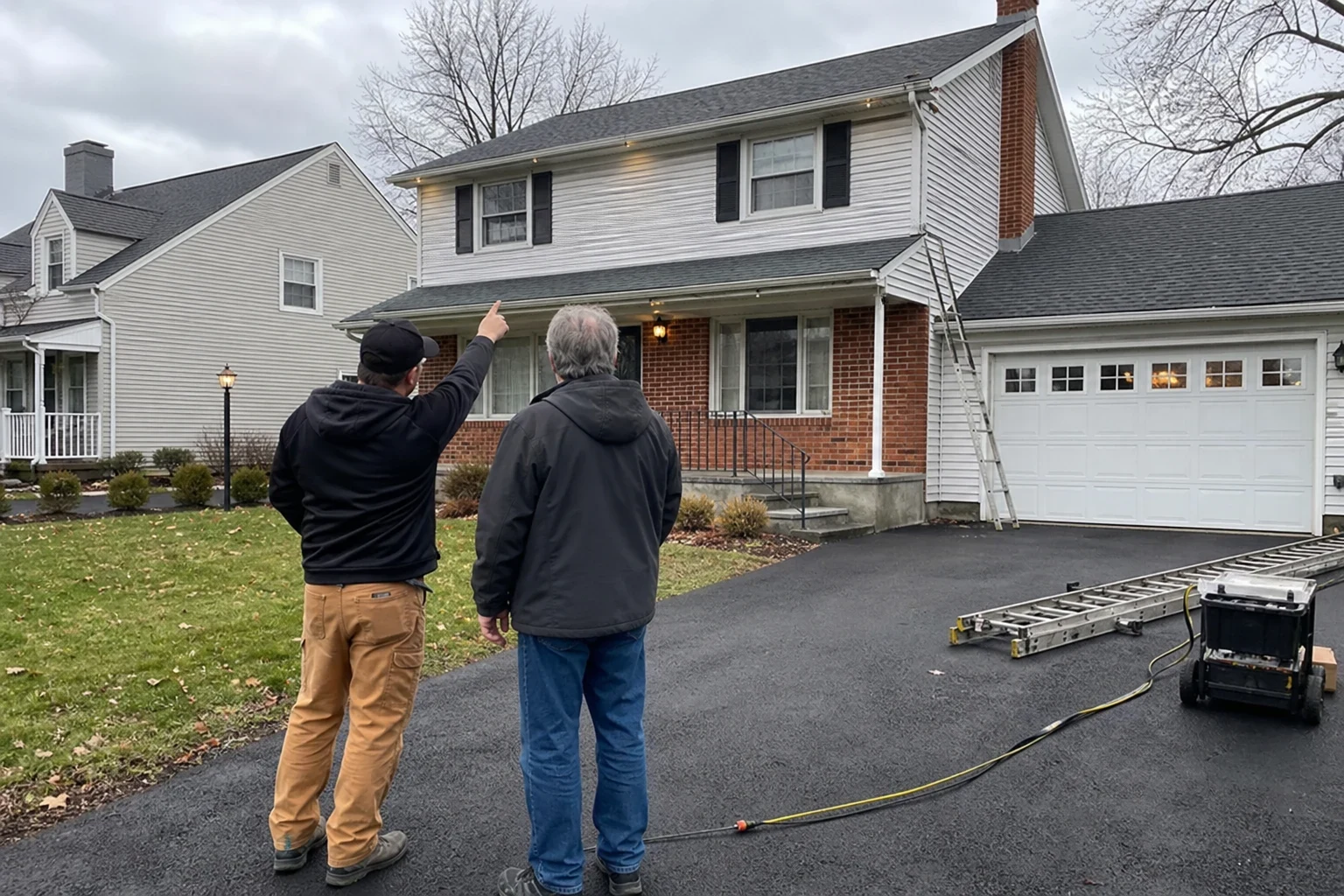
We walk the outside, look at windows from inside where you allow it, and check fascia and soffit condition. You hear what we found before any recommendation.
- 2
A plan you can see
We sketch the runs, zones and where light will fall on each window. You approve it before anything is ordered.
- 3
Install day
Our crew mounts the track, routes wiring along trim and keeps ladders clear of glass. Most of the work is outside, so you can go about your day.
- 4
Testing after dark
We check each zone at dusk with you, adjust any spot that glares into a room, and set up the app on your phone. Then we tidy up and walk the yard once more.
What shapes the price
Every home is priced from what we see on the inspection. The number of windows near the roofline, how many separate zones you want and the condition of the trim all move the total. Your quote lists each part so nothing is a surprise.
- Length and shape of the roofline
- Long straight runs go up faster than a roofline broken by dormers, gables and short returns around windows.
- Number of zones
- Splitting bedroom sides from the front adds controller channels and wiring time.
- Height and access
- Second and third-story windows, steep slopes and tight side yards need more ladder work and care.
- Trim repairs found first
- If fascia above a window is soft or loose, it needs fixing before track goes on. We show you photos and let you decide.
Questions about lighting near windows
- Will the lights keep us up at night?
- They should not. We aim the lights outward and down, and bedroom sides can sit on their own zone. From the app you can schedule those to switch off at whatever bedtime suits your family.
- Do you drill into window frames?
- No. Track mounts to the soffit or fascia above the window, and wiring follows corners and trim. Your casings and shutters stay untouched.
- Can I see where the light will fall before you install?
- Yes. After the inspection we walk you through the plan for each side of the house. If a spot worries you, we change it before anything is ordered.
- What happens if my trim is in rough shape?
- We tell you plainly and show you photos. Mounting on damaged wood is not a good idea, so we explain what needs attention and leave the choice with you.
- Do the lights show during the day?
- Very little. The track sits tight to the roofline and is matched to your trim color, so it blends in when the lights are off.
Let us look at your windows first
Give us a ring and we will arrange a visit to walk the outside of your home with you. You hear what we found and see a clear plan before you decide anything.